

A registered U.S. patent attorney on your company’s file before the next USPTO deadline.
Since July 20, 2026, the USPTO requires applicants and patent owners domiciled outside the U.S. to use a registered U.S. patent practitioner. William Furlow becomes your company’s U.S. representative for pending applications, office actions and issued patents, on a flat fee and a written scope agreed before work starts.
“Professional, responsive, and incredibly knowledgeable.” — Loan Nguyen, Founder & CEO, ParkClear
Fit and scope only; no legal advice or opinion. Prior results do not guarantee a similar outcome. The firm works with companies, including founders signing for a newly formed entity.

A reply your company files without a registered U.S. practitioner will not be entered.
The USPTO’s U.S. counsel rule took effect on July 20, 2026. Applicants and patent owners domiciled outside the U.S. must be represented by a registered patent practitioner for papers filed on or after that date, whatever the application’s filing date. Companies have needed a practitioner in patent applications since September 16, 2012.
Replies, amendments, application data sheets, information disclosure statements and petitions that a practitioner hasn’t signed will not be entered. Your deadlines keep running either way.
Rated 5.0 on Google by founders and company owners · 105+ matters in 2026
“The firm is incredibly meticulous in their approach; the advice provided is always backed by exhaustive research that goes well beyond standard patent and trademark searches. ”
“William was instrumental in shaping our IP strategy as a startup. … His deep knowledge, clear communication, and strategic approach gave us confidence at every step.”
Where foreign companies start, from a first U.S. filing to an issued patent.
Each starting point has its own written scope. The screening call confirms which one fits your matter.

Entering the U.S. market: plan your first U.S. filing.
A foreign startup making its first U.S. filing or launching here. Typical first step: a U.S. filing strategy, and a trademark for the brand going public.
Patent servicesTrademark services
A pending U.S. portfolio: take over the file and answer the office actions.
Your company needs new or replacement U.S. counsel for pending applications. Typical first step: a portfolio takeover and office action replies.
See representation services
Issued U.S. patents: post-issuance papers and revival.
Your company owns issued U.S. patents and needs post-issuance papers filed, or an abandoned application revived.
Revive an abandoned application
A U.S. company with founders abroad: a formation-ready IP plan.
A Delaware or other U.S. entity whose founders live overseas. For the USPTO, a company’s domicile is its principal place of business, so check where yours is. Typical first step: an IP plan and the first filings.
Patent services
Founder-filed applications: move them into the company.
Applications filed in the founders’ own names that now need to belong to the company. Typical first step: assignment and ownership cleanup.
Entity IP transfer and assignmentCompanies only, so your file gets company-grade attention.
The firm represents foreign companies, including founders signing for a newly formed entity. It does not take on individual foreign filers. That is a business choice, not a legal requirement.
A good fit
- A company domiciled outside the U.S. with pending or issued U.S. patents
- A foreign startup planning its first U.S. filing
- A U.S. entity whose founders live abroad
- Founder-filed applications moving into the company
Not the right fit
- An individual foreign filer seeking a one-off filing
- An idea with no product, code or prototype
- A signature on a self-drafted filing without attorney review
- Expecting the firm to market or sell an invention
Your U.S. attorney of record is the attorney who reads your specification and signs your papers.
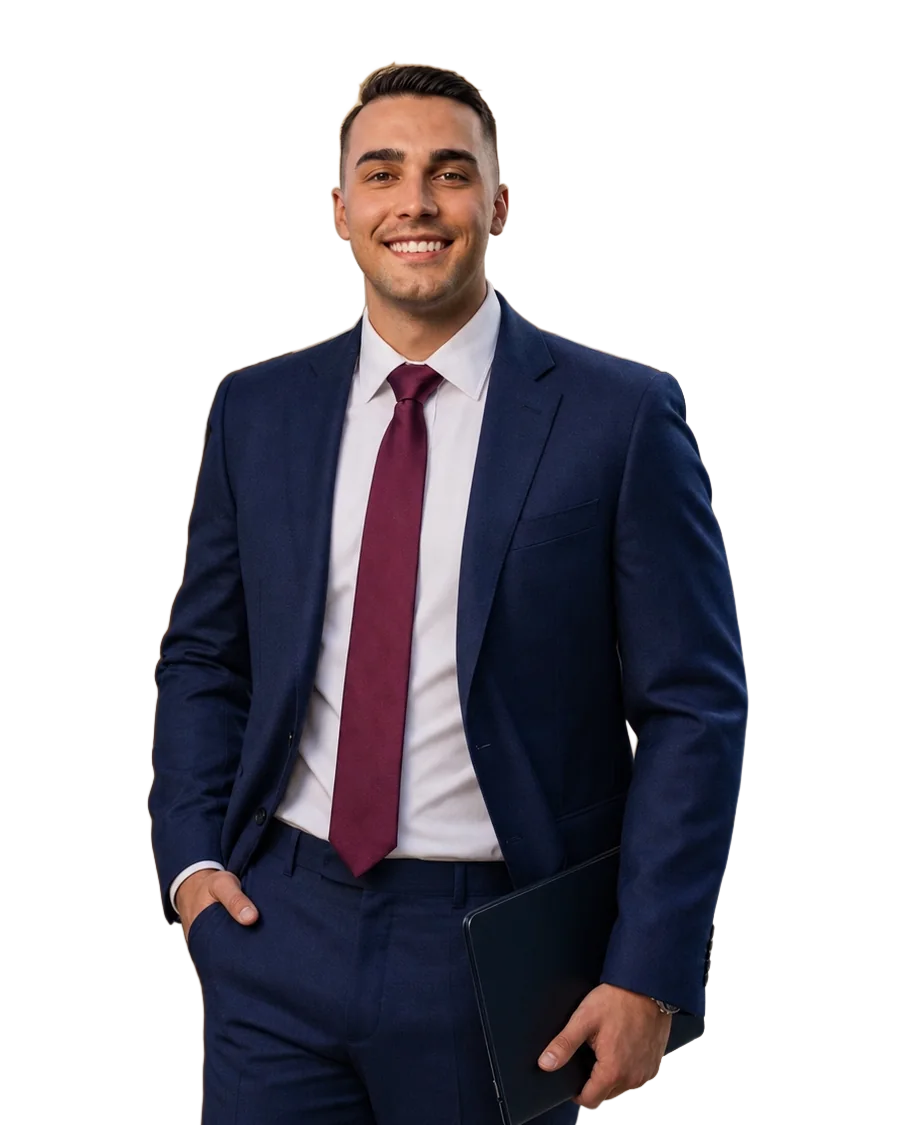
Work directly with William Furlow, a registered patent attorney with graduate science training. No handoff to an associate after the pitch.
Registered with the USPTO
USPTO Reg. No. 82,181, admitted in Illinois and Washington, D.C.
Your science is understood from the first read
A J.D. from Emory and an M.S. in Biochemistry and Molecular Biology from Georgetown.
Written answers across time zones
Remote consultations and written updates, with USPTO notices forwarded to you by email.
U.S. representation services, with the attorney fee shown up front.
Each listing states the included work, the exclusions and the attorney fee. USPTO fees are separate and billed at cost. Need something not listed here, such as a portfolio takeover? The screening sets the scope in writing.
Design patent office action response
Become the U.S. representative on a pending design application and file the office action response, with corrected drawings where needed.
Restore a missed provisional benefit claim
Act as practitioner of record and file the petition and application data sheet to restore the benefit of a U.S. provisional.
Revive an abandoned U.S. application
Review why the application was abandoned and file a petition to revive with the reply that was missed.
Four steps, and you know the price before any legal work starts.
Start with a $50 screening for fit and scope. Any further legal work has its own written scope and fee.
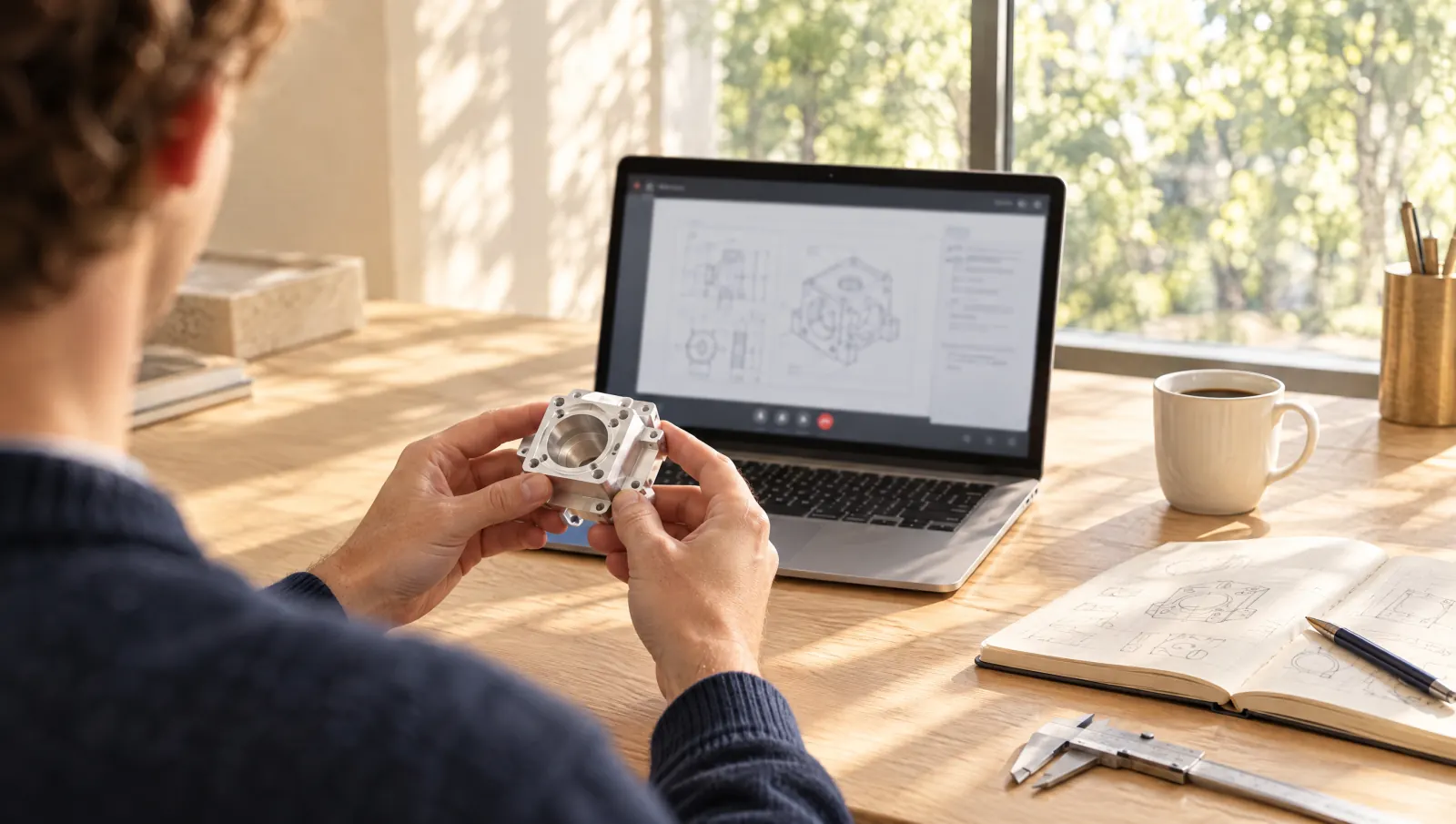
Find the right service in a 30-minute video call
Book 30 minutes by video to discuss your company’s U.S. matter and identify a suitable service. The screening does not include legal advice.
See the exact scope and fee in writing before you commit
Review the included work, exclusions and attorney fee in writing. USPTO fees are listed separately.
Sign the power of attorney and send the file
Send the file history, the latest USPTO papers and your deadlines. William files the power of attorney and takes over correspondence.
Get exactly the deliverables you approved
Receive the filed papers and the filing receipt. Any additional work is scoped and priced separately.
Check the rule and the fees at the source.
Official USPTO pages behind the rule and fees described on this page.

Put a registered U.S. patent attorney on your company’s file before the next deadline.
In a 30-minute video screening, William checks fit and identifies the service that matches your company’s U.S. matter. Any legal work after that has its own written scope and flat fee.
USPTO deadlines keep running while a file has no practitioner. The screening is the quickest way to find out where your company stands.
“The advice provided is always backed by exhaustive research that goes well beyond standard patent and trademark searches.” — Jorge Normandia, CEO, Beryllium Corp
Fit and scope only; no legal advice or opinion. Prior results do not guarantee a similar outcome. The firm works with companies, including founders signing for a newly formed entity.